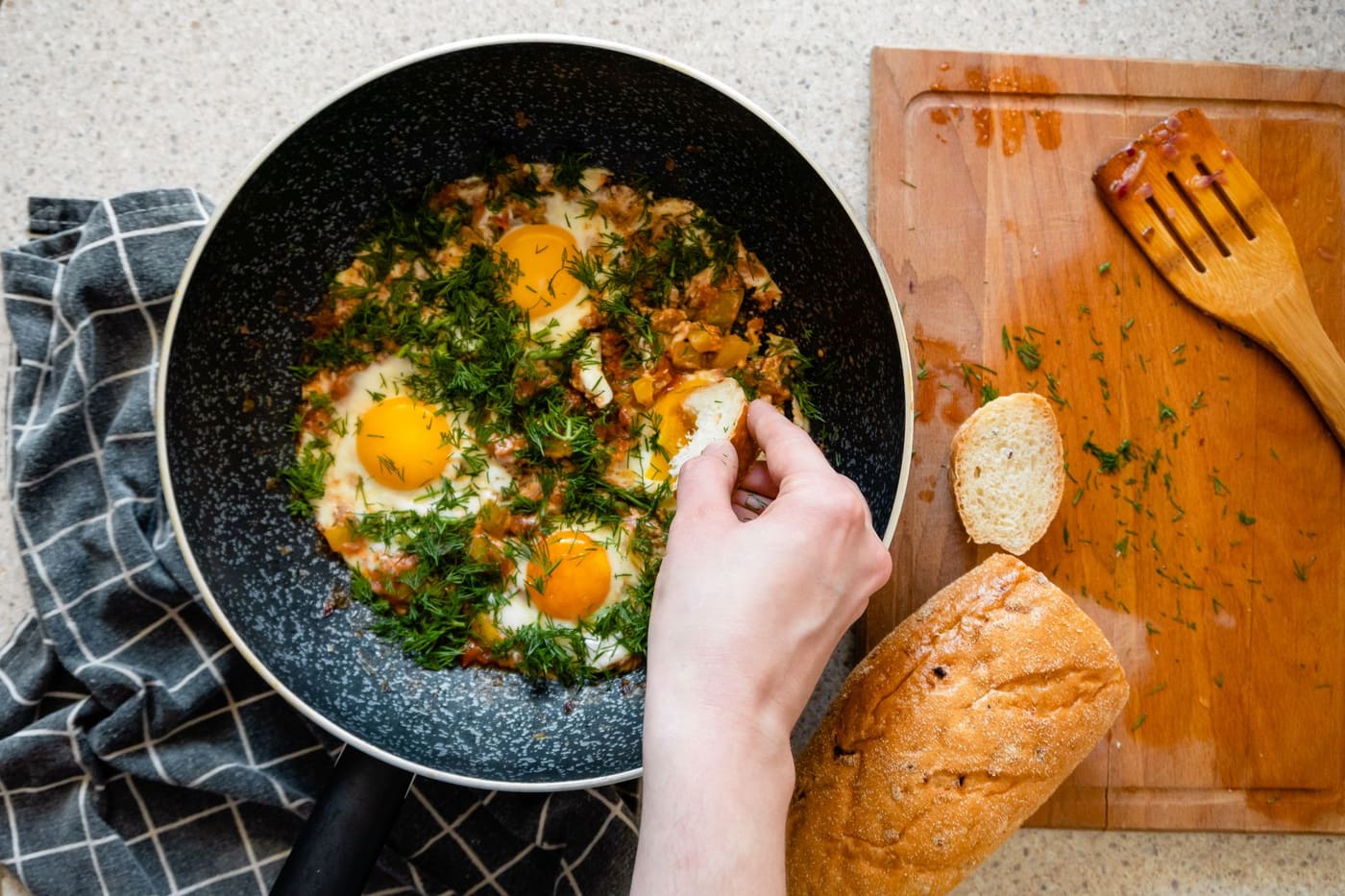
You make food taste better by controlling five things: salt, acid, fat, browning, and fresh finishing touches. Salt early and taste as you go, brown your ingredients instead of steaming them, add a splash of vinegar or lemon at the end, and finish with something fresh or crunchy. All of that fits inside a pantry that costs less than a single restaurant dinner.
Most disappointing home cooking is not missing a rare ingredient. It is missing one of those levers. A pot of soup that tastes flat usually needs salt or acid. Chicken that tastes boring usually needed a hotter pan. The sections below walk through each lever, with amounts and temperatures you can use tonight.
Salt: the lever that does the most work
Salt does more than make food salty. It suppresses bitterness and makes other flavors easier to notice, which is why unsalted food tastes dull rather than just plain.
Three habits make the biggest difference:
- Season in layers. Add a pinch when onions go into the pan, another when liquid goes in, and adjust at the end. Salt added only at the table sits on the surface; salt added during cooking gets into the food.
- Pick one cooking salt and stick with it. Coarse kosher salt is easy to pinch, but brands differ in crystal size, so a teaspoon of one can be noticeably saltier than a teaspoon of another, and fine table salt is saltier still by volume. Using the same box every time teaches you what a teaspoon does.
- Salt meat ahead. Salt a steak or pork chop 40 minutes to a day before cooking (about 3/4 teaspoon of coarse kosher salt per pound is a common starting point; use less of a fine salt) and leave it uncovered in the fridge. The surface dries, which helps browning, and the seasoning reaches deeper into the meat.
For pasta, the water should taste noticeably salty. About 1 tablespoon of kosher salt per 4 quarts of water is a common starting point. If your food still tastes bland after all this, the cause may be something other than salt; see why your food still tastes bland even when you season it.
Acid: the fix for food that tastes heavy or flat
When a dish tastes salty enough but still dull, it usually needs acid. Acid sharpens flavors and cuts through richness, the same way a squeeze of lemon wakes up grilled fish.
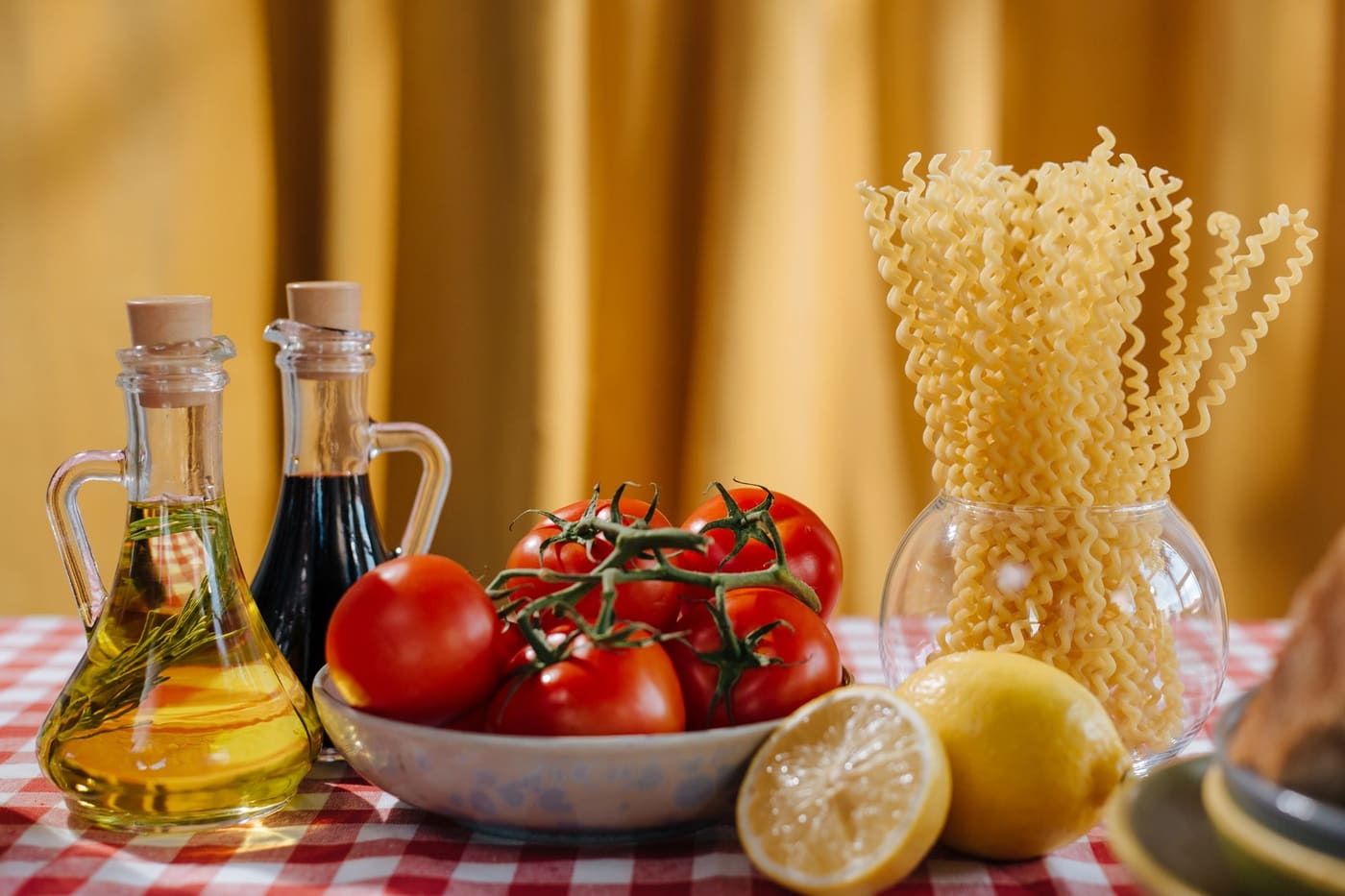
Pantry acids worth keeping:
| Acid | Best for | Typical cost |
|---|---|---|
| Lemons or limes | Fish, chicken, vegetables, beans, salsas | Low, a dollar or so each |
| Apple cider vinegar | Slaws, pork, braises, quick pickles | A few dollars per bottle |
| Red wine vinegar | Dressings, tomato sauces, roasted vegetables | A few dollars per bottle |
| Rice vinegar | Stir-fries, cucumbers, rice | A few dollars per bottle |
| Canned tomatoes | Sauces, soups, stews | A few dollars per can |
Add acid at the very end, a little at a time. Start with 1 teaspoon of vinegar or the juice of half a lemon per pot of soup or chili, stir, and taste. Cooking acid for a long time dulls its brightness, so the last minute is when it works best. Fresh lemon zest adds citrus aroma without extra sourness.
Fat: how flavor travels
Many flavor compounds dissolve in fat rather than water, so fat carries them across your tongue and keeps the taste around longer. This is why a drizzle of olive oil over soup or a pat of butter in a pan sauce makes food taste fuller.
- Olive oil: use a basic bottle for cooking and a better one for finishing salads, beans, and soups.
- Butter: adds richness and helps browning. Finish a pan sauce by swirling in 1 to 2 tablespoons of cold butter off the heat.
- Toasted sesame oil: a few drops at the end of a stir-fry or noodle dish. It is a finishing oil, not a cooking oil.
- Rendered fat: bacon or chicken fat left in the pan is free flavor for cooking vegetables or potatoes.
Fat also helps in a less obvious way: spices like cumin, paprika, and chili powder bloom when heated in oil for 30 to 60 seconds, which pulls out flavor you would not get by stirring them in dry at the end.
Browning: where most of the depth comes from
Brown food tastes better than pale food because of the Maillard reaction, a set of chemical changes between proteins and sugars that begins around 300F (150C) at the surface of food. It makes new savory, roasty flavors that were not there before. Caramelization, which is sugar browning, adds sweetness and a slightly bitter edge.
To get real browning:
- Dry the food. Pat chicken, steak, and vegetables with paper towels. Surface water has to evaporate before browning can start.
- Preheat the pan. A 12-inch stainless steel or cast iron skillet should heat for 2 to 3 minutes over medium-high before you add oil.
- Do not crowd. Leave space between pieces. Crowded food releases steam and simmers instead of searing.
- Leave it alone. Let meat sit for 2 to 4 minutes before moving it. It releases from the pan when it is browned.
- Roast hot. Vegetables like broccoli, carrots, and Brussels sprouts brown well at 425F (220C) on a sheet pan in 20 to 30 minutes.
Use the fond
Those brown bits stuck to the pan after searing are called fond, and they are concentrated flavor. Deglazing means pouring a splash of liquid into the hot pan, such as 1/2 cup of chicken stock, wine, or even water, and scraping the bits loose with a wooden spoon. Simmer until it reduces by about half, add a little butter and a squeeze of lemon, and you have a pan sauce in under 5 minutes. Nonstick pans do not build much fond, which is one reason stainless steel is worth owning. For tool suggestions, see what kitchen tools are actually worth buying for a beginner.
Aromatics and spices: build a base
Aromatics are the vegetables and herbs that go into a pan first and set the flavor of everything after them. Onion, garlic, ginger, celery, carrot, scallions, and chili peppers are the main ones, and a bag of onions and a head of garlic cost a few dollars together.
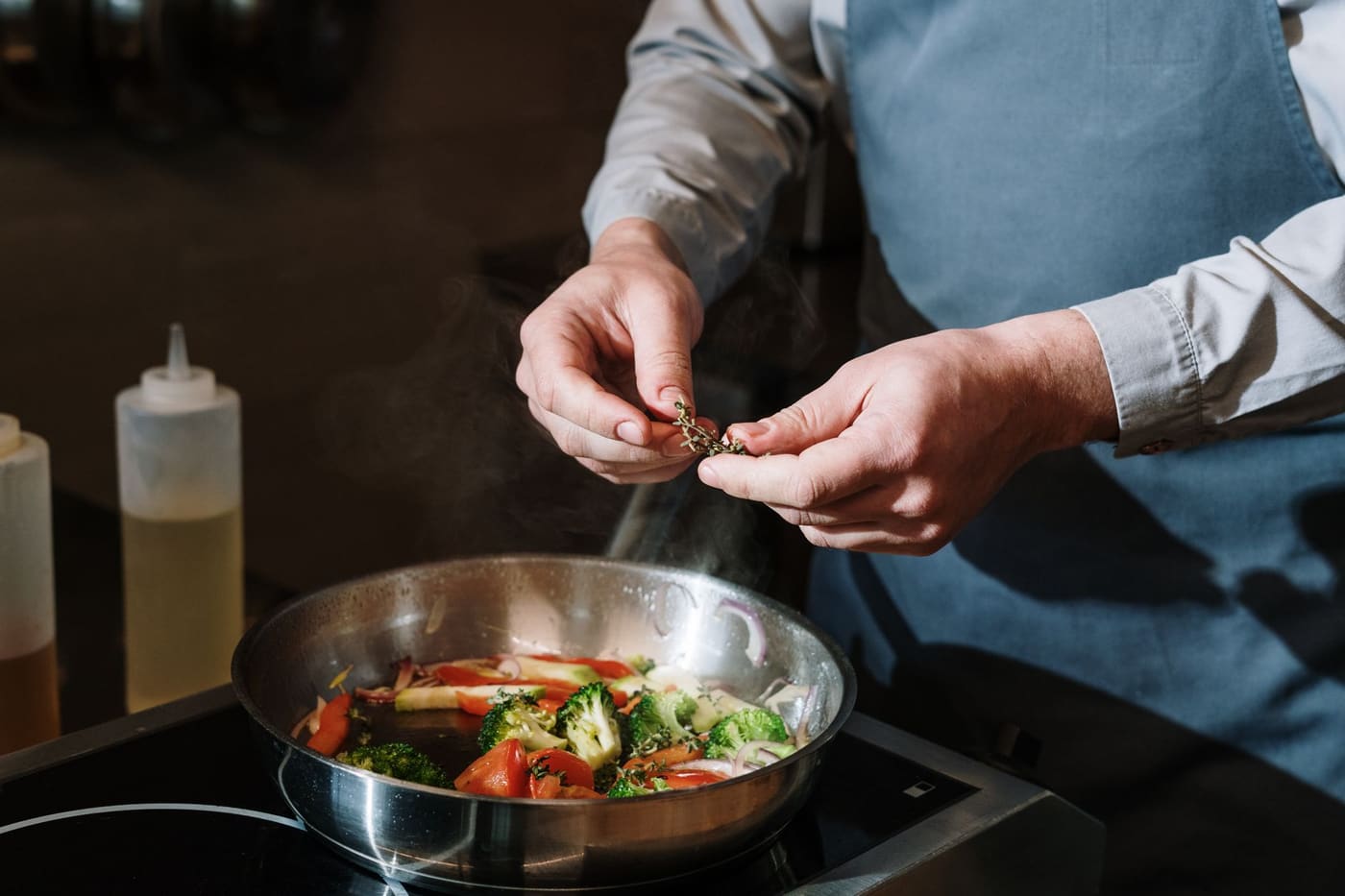
Some classic combinations to recognize:
- Onion, celery, carrot (mirepoix): soups, stews, braises
- Onion, garlic, tomato: pasta sauces, chili, rice dishes
- Garlic, ginger, scallion: stir-fries and fried rice
- Onion, bell pepper, celery: the base for Cajun and Creole dishes
Cook onions in oil over medium heat for 5 to 8 minutes until soft and translucent before adding anything else. Add garlic during the last 30 to 60 seconds, because it burns quickly and turns bitter. Dried spices are worth buying in small amounts: cumin, smoked paprika, black pepper, chili flakes, oregano, and garlic powder cover a lot of ground, and spices lose strength after a year or two, so replace them rather than hoarding.
Umami boosters are also cheap. A spoonful of tomato paste cooked in the pan until it turns brick red, a splash of soy sauce in a beef stew, a few minced anchovies melted into a sauce, or a Parmesan rind simmered in soup all add savory depth without making anything taste like its source.
Fresh, crunchy, and sweet: finishing touches
The last 30 seconds of cooking can matter as much as the first 30 minutes. Cooked food tends to be soft and one-toned, so finishing adds contrast.
- Fresh herbs: parsley, cilantro, basil, and scallions added right before serving. Add soft herbs at the end, since heat destroys their aroma.
- Crunch: toasted breadcrumbs, chopped nuts, seeds, or crispy shallots over soups, pasta, and vegetables.
- Heat: red pepper flakes or hot sauce.
- A touch of sweetness: if a tomato sauce or chili tastes sharp, 1/2 teaspoon of sugar or a little honey rounds it out.
Think of it as contrast. A creamy soup with crunchy croutons and a squeeze of lemon tastes more interesting than the same soup alone.
Taste and adjust as you cook
Tasting is the habit that ties everything together. Use a clean spoon, taste at several stages, and ask one question: what is missing?
| If it tastes… | Try adding |
|---|---|
| Flat, even though it has salt | Acid (lemon, vinegar) |
| Harsh or too sharp | Fat or a pinch of sugar |
| Dull and watery | Salt, then reduce the liquid |
| Bitter | Salt, fat, or a bit of sweetness |
| Too salty | Acid, unsalted liquid, or more of the other ingredients |
| Boring but balanced | Heat, fresh herbs, or crunch |
Season in small steps. You can add more, but you cannot take salt out. Cooking this way is also how you get better without turning it into a project; the ideas in how to get better at cooking without making it a whole project pair well with this habit.
Do not skip doneness
Good flavor is wasted if the food is overcooked or undercooked. An instant-read thermometer takes away the guessing. The US government’s safe minimums are 165F (74C) for poultry, 160F (71C) for ground meat, and 145F (63C) for whole cuts of beef, pork, veal, and lamb followed by a 3-minute rest. Leftovers keep in the fridge for 3 to 4 days.
A cheap starter flavor kit
You do not need a big shopping list. This set covers most weeknight cooking and often costs roughly $25 to $35 if you are starting from scratch (prices vary):
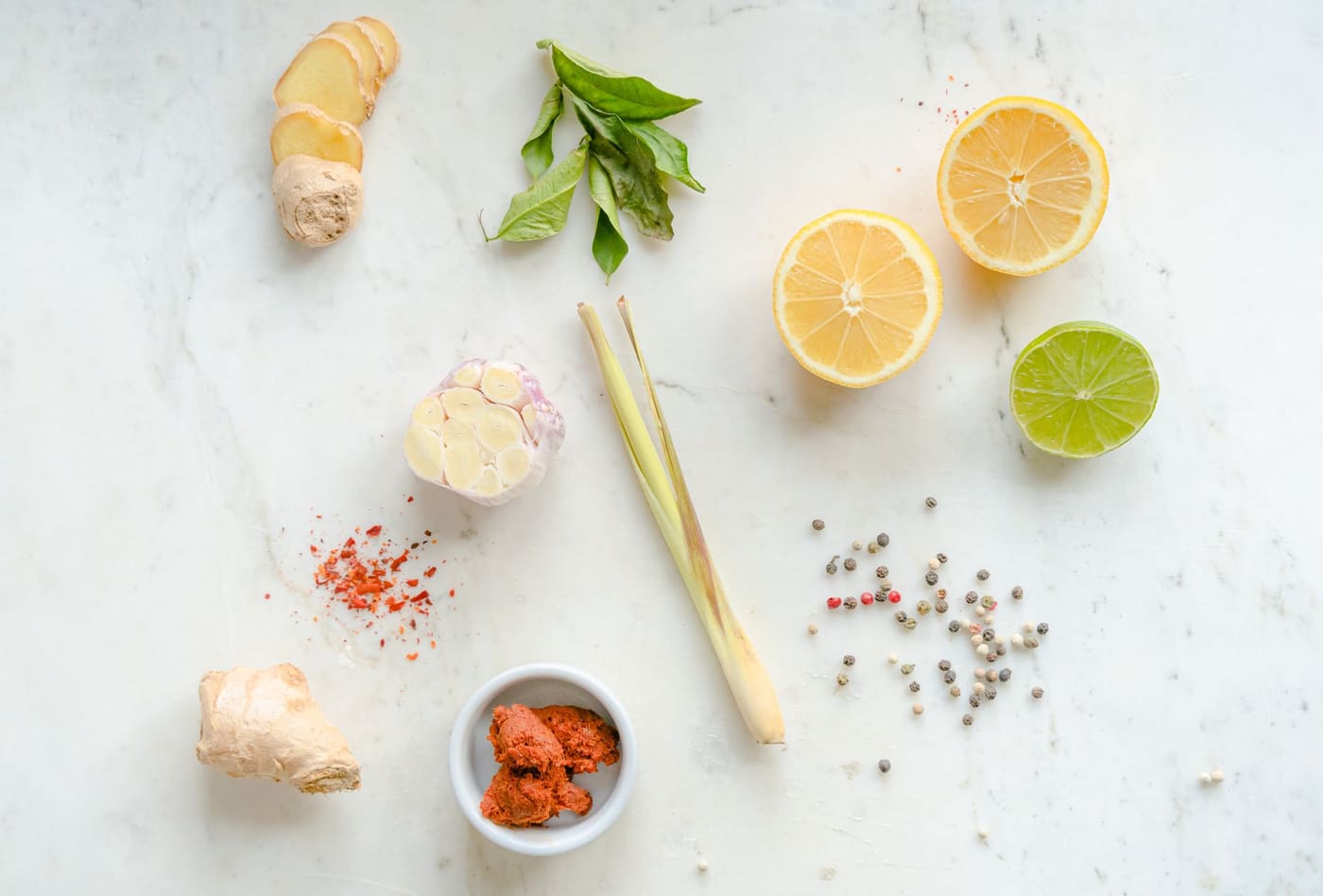
- Kosher salt and whole black peppercorns (or ground pepper)
- Olive oil and a neutral oil such as canola
- Two vinegars (cider and red wine) and a few lemons
- Yellow onions and garlic
- Canned diced tomatoes and tomato paste
- Soy sauce
- Cumin, smoked paprika, and chili flakes
- Butter
With these on hand, simple dishes like roasted chicken thighs, fried rice, or beans and rice come out noticeably better. If you are looking for dishes to practice on, easy meals you can cook without too much effort is a good place to start, and the cooking methods every beginner should understand first covers searing, roasting, and simmering in more detail.
To check what you already have on hand, use the pantry basics checklist.
Where this comes from
The food safety temperatures and the 3 to 4 day leftover window come from the US government’s FoodSafety.gov temperature chart and USDA leftover guidance. The flavor advice (salt timing, acid, fat, browning) is standard home-cooking practice rather than something tested for this page, and the amounts are starting points to adjust by taste. Prices and costs change, so check them at the store.