The tools worth buying first are an 8-inch chef’s knife, a large cutting board, a 12-inch skillet, a medium pot with a lid, a rimmed sheet pan, an instant-read thermometer, and a few basics like tongs, a spatula, and measuring cups. Together they often cost roughly $150 to $250 at typical prices if you buy sensibly (prices vary, so check current ones), and they cover almost every recipe a new cook will attempt. Everything else is optional until a specific recipe or habit proves you need it.
Most beginners overspend in two ways. They buy a boxed 15-piece cookware set full of pans they never use, or they buy single-purpose gadgets like avocado slicers and egg cookers. The better approach is to buy fewer, better tools that each do several jobs, and to add pieces only when you hit a real limitation.
The knife and board: start here
If you spend money on only one item, make it the knife. A dull or flimsy knife makes chopping slower, harder, and more dangerous, because you have to push harder and the blade slips.
What to buy
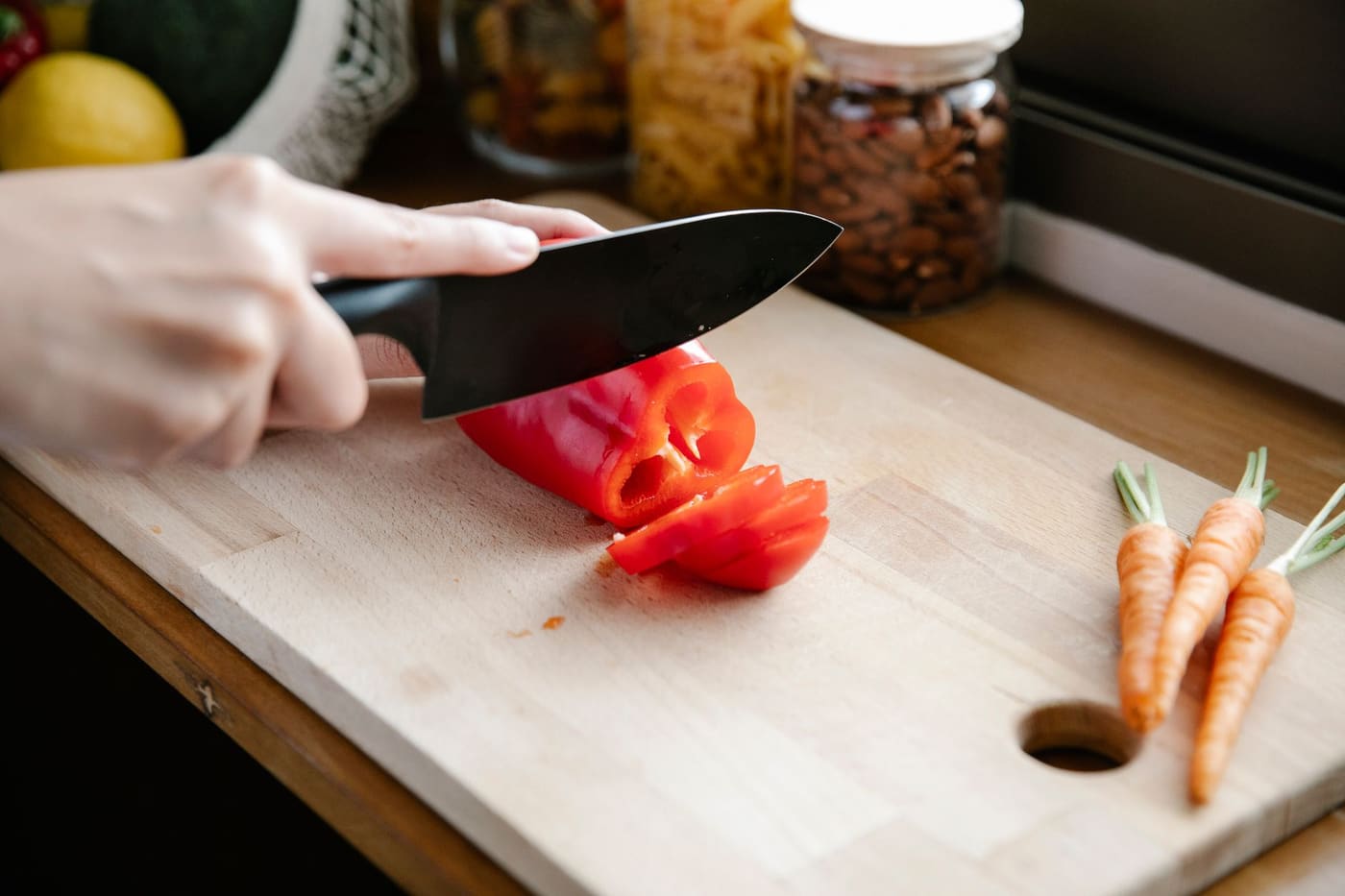
An 8-inch chef’s knife handles onions, garlic, herbs, chicken, and vegetables. Good stamped-steel options run about $30 to $60. A forged knife costs more, but you do not need one to start. Hold it in a pinch grip, with your thumb and forefinger on either side of the blade just in front of the handle, and curl the fingers of your other hand into a claw so the knuckles guide the blade.
A second knife is a nice extra: a serrated bread knife (about $15 to $30) for bread, tomatoes, and citrus. A small paring knife (about $8 to $15) helps with peeling and trimming. You can skip the 12-piece knife block.
Keep it sharp
A honing steel realigns the edge between sharpenings, but it does not sharpen. For actual sharpening, a basic pull-through sharpener or a whetstone (a 1000/6000 combination stone is about $30) works. Sharpen a few times a year depending on use. Never put your good knife in the dishwasher, because heat and detergent dull the edge.
The board
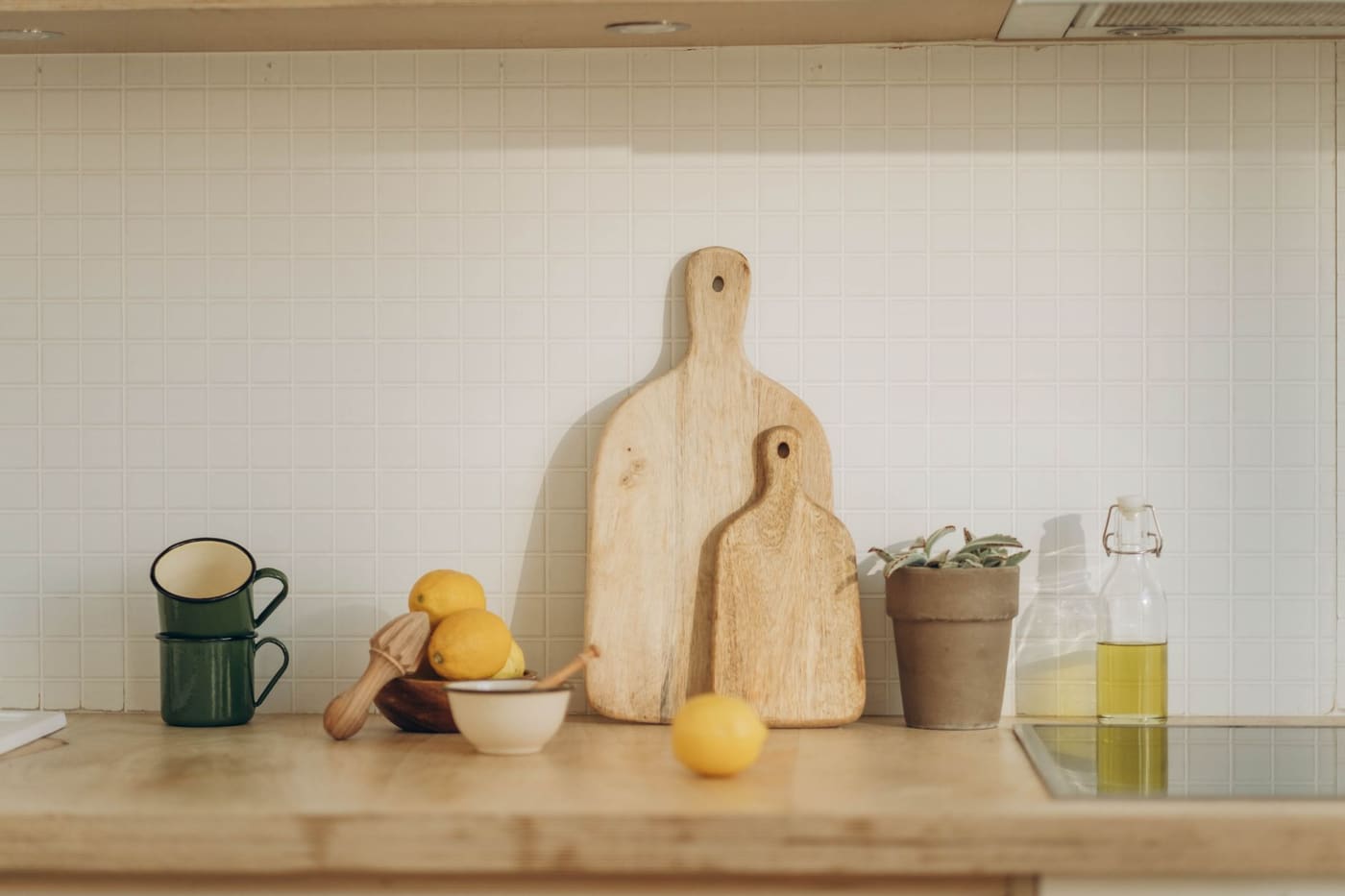
Buy a large board, at least 12 by 18 inches, so ingredients have somewhere to go. Wood or plastic both work. Put a damp towel or a sheet of shelf liner underneath so it does not slide. Avoid glass and stone boards, which wreck your knife edge. Food safety guidance recommends keeping one board for raw meat, poultry, and seafood and a separate one for produce and other ready-to-eat foods, so a second inexpensive board is worth having.
Pans: one skillet and one pot cover most meals
The 12-inch skillet
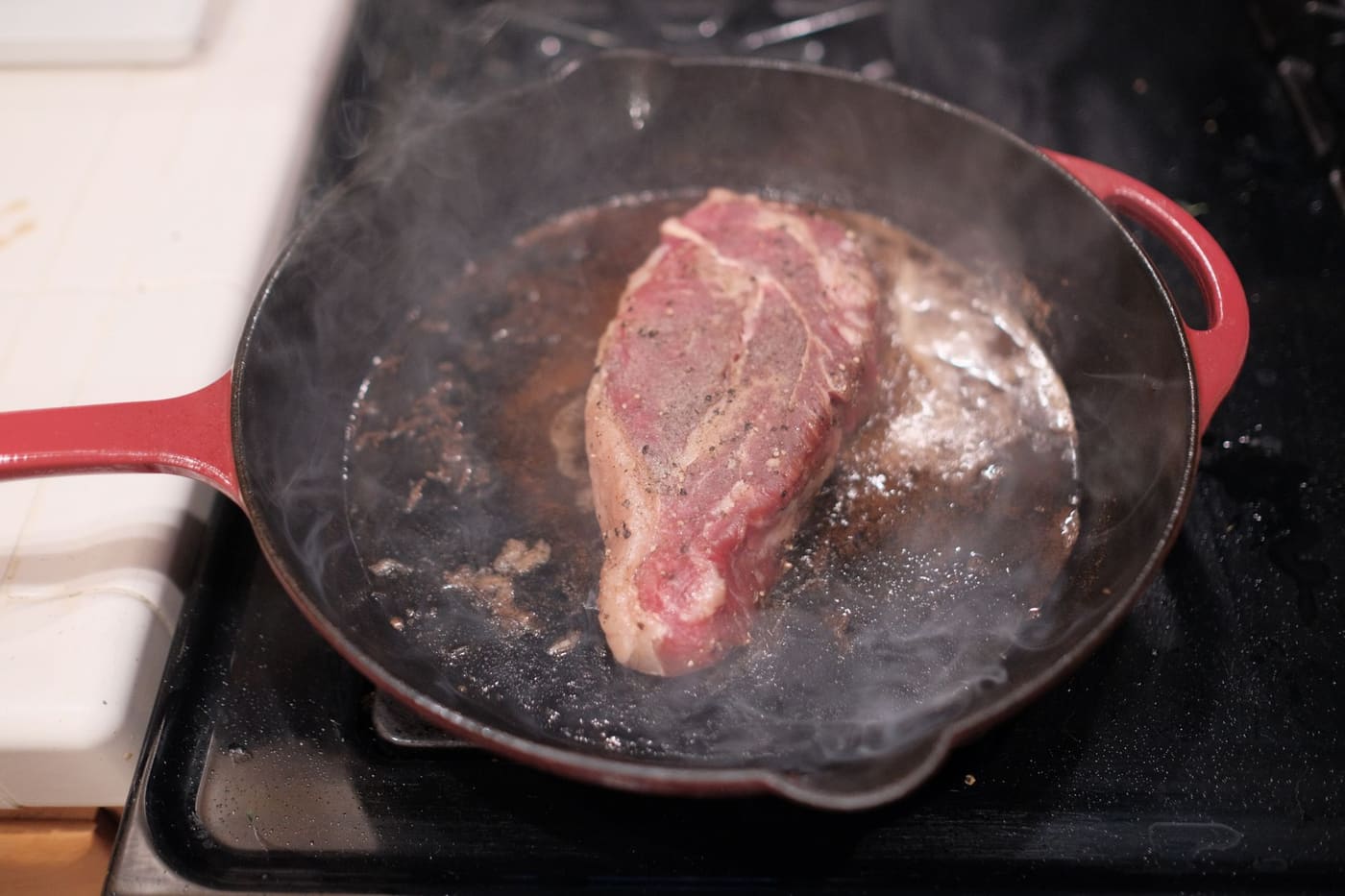
A 12-inch skillet is the workhorse for searing, sautéing, scrambled eggs, pan sauces, and stir-fries.
You have three sensible choices:
| Type | Typical cost | Best for | Downside |
|---|---|---|---|
| Stainless steel | $40 to $100 | Browning, fond, pan sauces | Food sticks if the pan is not preheated |
| Cast iron | $20 to $40 | Searing, cornbread, high heat | Heavy, needs seasoning and dry storage |
| Nonstick | $20 to $40 | Eggs, delicate fish, pancakes | Coating wears out in a few years, avoid high heat |
If you can only buy one, stainless steel or cast iron gives you the most range. Both let you develop fond, the browned bits stuck to the pan that you can lift with a splash of wine or stock (deglazing) to make a quick sauce. This browning comes from the Maillard reaction, which happens above roughly 300F (150C) and is why a properly seared chicken thigh tastes so much better than a pale, steamed one.
A cheap nonstick 10-inch skillet (about $20) is a reasonable second pan for eggs. Treat it as disposable, use wooden or silicone utensils, and replace it when the surface scratches.
The pot
A 4- to 5-quart pot with a lid, ideally a saucepan or Dutch oven style, handles pasta, rice, soup, beans, and braises. A 3-quart saucepan is useful for rice, oatmeal, and sauces if you cook for one or two people. Stainless, enameled cast iron, or heavy aluminum all work. A heavy bottom spreads heat and prevents scorching.
Enameled Dutch ovens are wonderful, but they often cost $60 to $350. A basic 5-quart stainless pot does most of the same job for far less.
Sheet pans and baking basics
A heavy, rimmed half sheet pan (about 18 by 13 inches, roughly $15 to $25) may be the most versatile item you will own. Roasting vegetables at 425F (220C) on one gives you caramelized edges in 20 to 30 minutes. It also handles sheet-pan chicken thighs, bacon, cookies, and reheating leftovers so they stay crisp.
Buy two if you can. Crowding is the main cause of soggy roasted vegetables, because trapped steam stops browning, so give food space. A wire cooling rack that fits inside the pan (about $8 to $12) lets you roast or bake with air flowing underneath, and gives you a spot to rest cooked meat.
The instant-read thermometer
This is among the cheapest tools that improve both your results and your safety, because it removes guessing about doneness. The US government’s safe minimum internal temperatures are:
- Poultry (chicken, turkey): 165F (74C)
- Ground meat (beef, pork, lamb, veal): 160F (71C)
- Whole cuts of beef, pork, veal, and lamb: 145F (63C), then rest for 3 minutes
- Fish: 145F (63C)
- Leftovers when reheating: 165F (74C)
Insert the probe into the thickest part, away from bone. It stops you from cutting open chicken to check, and it stops you from drying out pork chops because you were nervous. If your food tastes flat even when it is cooked correctly, why your food still tastes bland even when you season it covers a cause that usually has nothing to do with equipment.
Small tools that earn their drawer space
You need only a handful of hand tools, and most are cheap:
- Tongs (12-inch, locking): $10 to $15. For flipping meat, tossing salad, and pulling pasta from water.
- Fish spatula or thin turner: $10 to $15. The thin edge slides under food without tearing it.
- Silicone spatula: $8 to $12. For scraping bowls and stirring without scratching nonstick.
- Wooden spoon: $5 to $10. For stirring sauces and scraping fond.
- Liquid and dry measuring cups, plus measuring spoons: $15 to $25 total. Accuracy matters most in baking.
- Colander or large fine-mesh strainer: $15 to $25. For pasta, rinsing beans, and straining stock.
- Box grater: $10 to $15. Handles cheese, carrots, and potatoes.
- Can opener and vegetable peeler: $8 to $12 each. Boring, but you will use them constantly.
- A few mixing bowls: a nested set of stainless or glass bowls costs $15 to $30.
A kitchen scale (about $12 to $20) is worth adding if you bake or like consistent results, since weighing flour is far more accurate than scooping it.
Gadgets that are usually not worth it early
Skip the following until a specific need appears:
- Garlic press: A knife does the job and is easier to clean.
- Avocado slicer, banana slicer, and similar one-taskers.
- Large multi-cookers and air fryers: Useful for some people, but not required. If you want one, buy it after you know what you cook weekly.
- Stand mixer ($250 or more): Only if you bake bread or cookies regularly. A hand mixer at $20 to $30 is plenty to start.
- Knife blocks with many pieces: You will use two or three of the knives.
- Specialty pans: Crepe pans, omelet pans, and wok sets can wait.
The test is simple. If you cannot name three meals you made in the last month that needed the tool, you probably do not need it yet.
A few mid-priced upgrades worth waiting for
Some tools reward a little extra spending. A blender ($40 to $100) is worth it if you make smoothies, soups, or sauces. An immersion blender (about $25 to $40) is cheaper and easier to clean if you mostly want blended soup. A rice cooker ($25 to $40) is helpful if rice is a regular side, since it removes the timing and the scorched pot.
Buy these only when you have used the basics enough to know where they limit you. That is also how you build skill: you learn a cooking method with the tools you have, notice what is awkward, and then fix that exact problem. If you want a steady, low-pressure way to improve, how to get better at cooking without making it a whole project lays one out.
What this kit can cook
Roasted chicken thighs and vegetables on a sheet pan, pasta with a simple pan sauce in the skillet, a pot of rice and beans, and scrambled eggs all work with what is listed above. For specific dishes, see easy meals you can cook without too much effort. Set up your workspace the way line cooks do, with mise en place: chop and measure before turning on the heat and keep your tools within reach. Leftovers keep in the fridge for 3 to 4 days in shallow, covered containers, once they are refrigerated within 2 hours of cooking.
For the ingredient side of a starter kitchen, see the pantry basics checklist.
Where this comes from
The temperature and leftover guidance follows the US government’s FoodSafety.gov safe minimum temperature chart and USDA leftover guidance; the separate-board advice is widely repeated kitchen food safety practice. The tool recommendations are common beginner-cooking practice rather than product testing, and every price in this article is a rough range that changes by store and over time, so check current prices before you buy.